Email marketing is a highly targeted digital communication strategy where businesses deliver strategic messages directly to a segmented list of opted-in subscribers to build relationships, nurture leads, and drive measurable revenue. Unlike public social media platforms governed by fluctuating algorithms, email provides an owned distribution channel that grants organizations direct, uninterrupted access to their audience’s inboxes. The practice encompasses diverse campaign formats, including transactional updates, curated newsletters, promotional offers, and sophisticated automated workflows triggered by user behavior—such as welcome sequences or abandoned cart reminders. By leveraging advanced marketing automation software, brands can personalize copy, deploy dynamic content, and segment audiences based on purchase history, engagement levels, and demographic profiles. Performance is tracked through granular key performance indicators, including open rates, click-through rates, bounce rates, and overall return on investment, which consistently ranks among the highest across digital channels. Ultimately, email marketing serves as an indispensable pillar of modern digital strategy because it bridges customer acquisition with long-term retention; by consistently providing relevant, contextual value rather than generic mass promotion, companies foster lasting brand loyalty, reduce churn, and turn one-time prospects into recurring, high-lifetime-value customers.

Grow Your Email Subscriber ListBuild a quality email database by collecting subscribers through website forms, landing pages, lead magnets, newsletters, and exclusive offers that encourage users to join your mailing list.
Select the Right Email PlatformChoose a reliable email marketing platform that allows you to create, automate, personalize, schedule, and track campaigns while managing your subscribers efficiently.
Organize Your AudienceSegment your subscribers into targeted groups based on their interests, purchase history, location, engagement, or behavior to deliver highly relevant email campaigns.
Develop High-Quality Email ContentCreate valuable and engaging emails, including promotional offers, newsletters, educational resources, announcements, and personalized recommendations that encourage audience interaction.
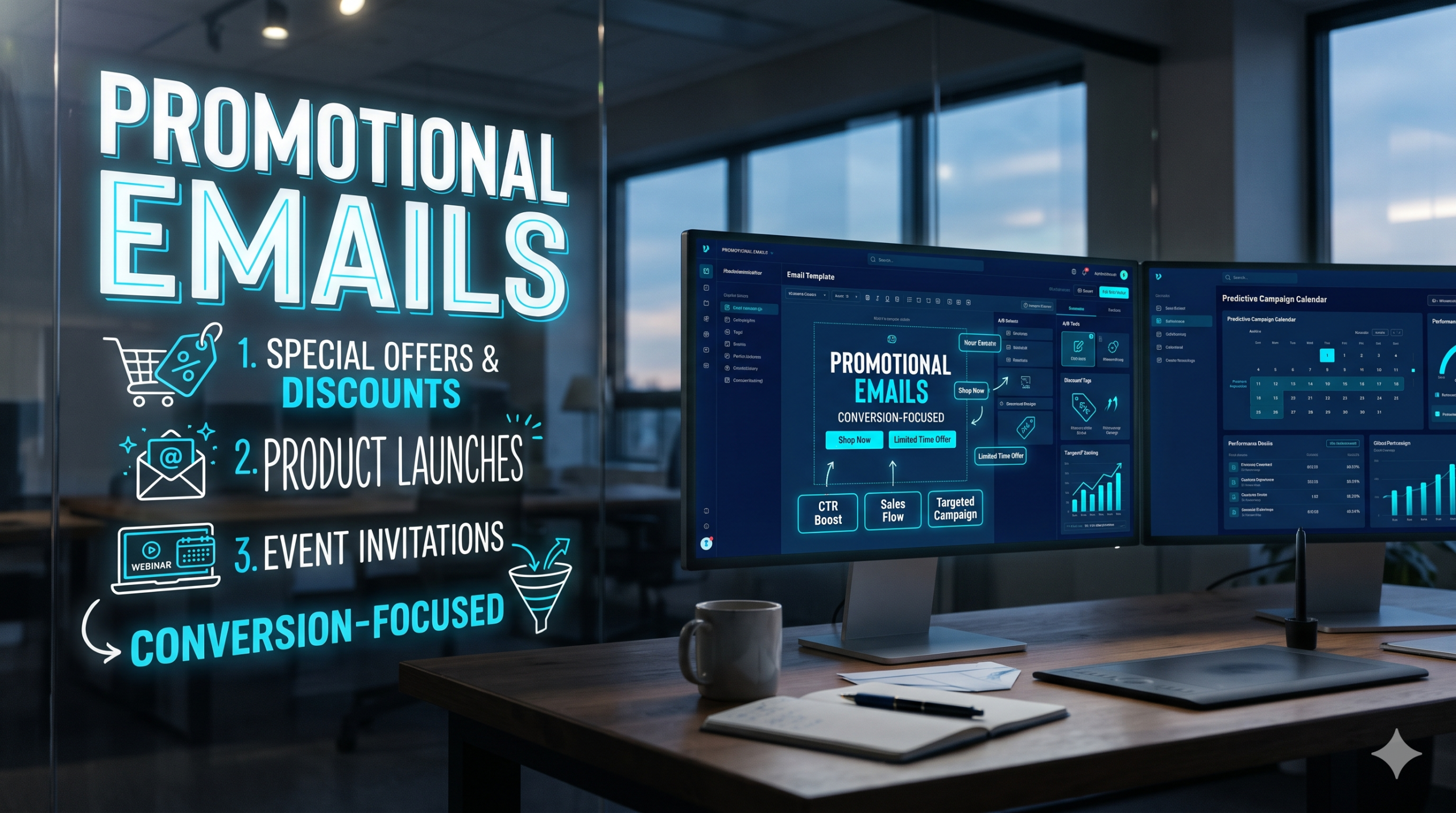
Designed primarily to drive immediate action, sales, or lead generation.Special Offers & Discounts: Time-sensitive promotions, seasonal sales (e.g., Black Friday), or flash discounts to prompt fast checkouts.Product Launch / Service Announcements: Dedicated showcases introducing a new feature, product line, or service package to the market.Event & Webinar Invitations: Emails highlighting agendas, speaker details, and registration links to capture attendees.
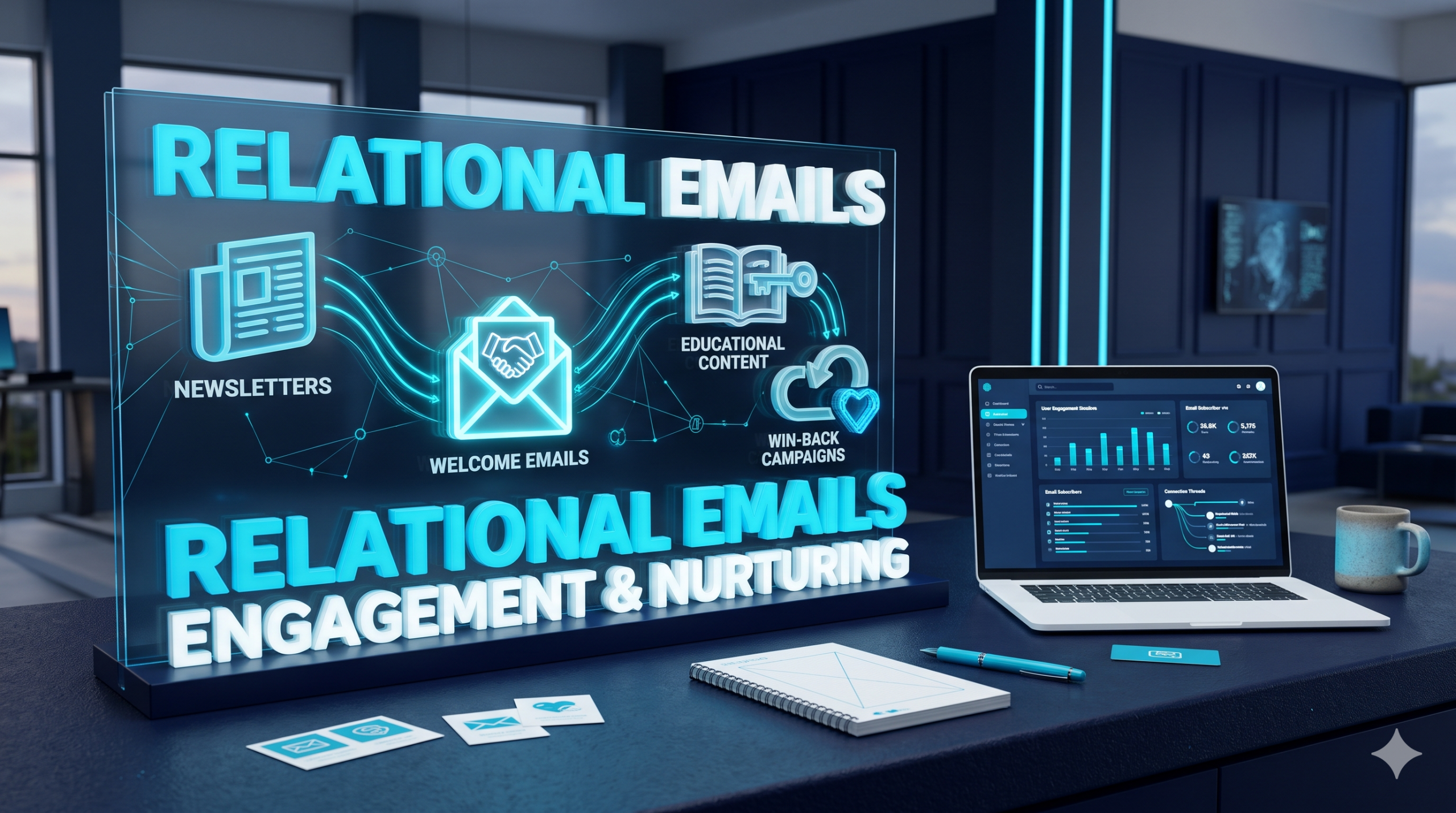
Aimed at building trust, brand authority, and community over time without aggressive selling.Newsletters: Regular weekly or monthly roundups featuring industry insights, curated articles, company updates, and valuable tips.Welcome Emails: The first message (or series) sent immediately after an opt-in, delivering promised lead magnets and setting subscription expectations.Educational / Lead Nurture Content: Step-by-step guides, case studies, and frameworks that help prospects solve specific problems while moving them through the buying journey.Re-engagement / Win-Back Emails: Targeted outreach to inactive contacts (e.g., "We miss you" campaigns with surveys or special incentives) to rekindle engagement or clean the list.
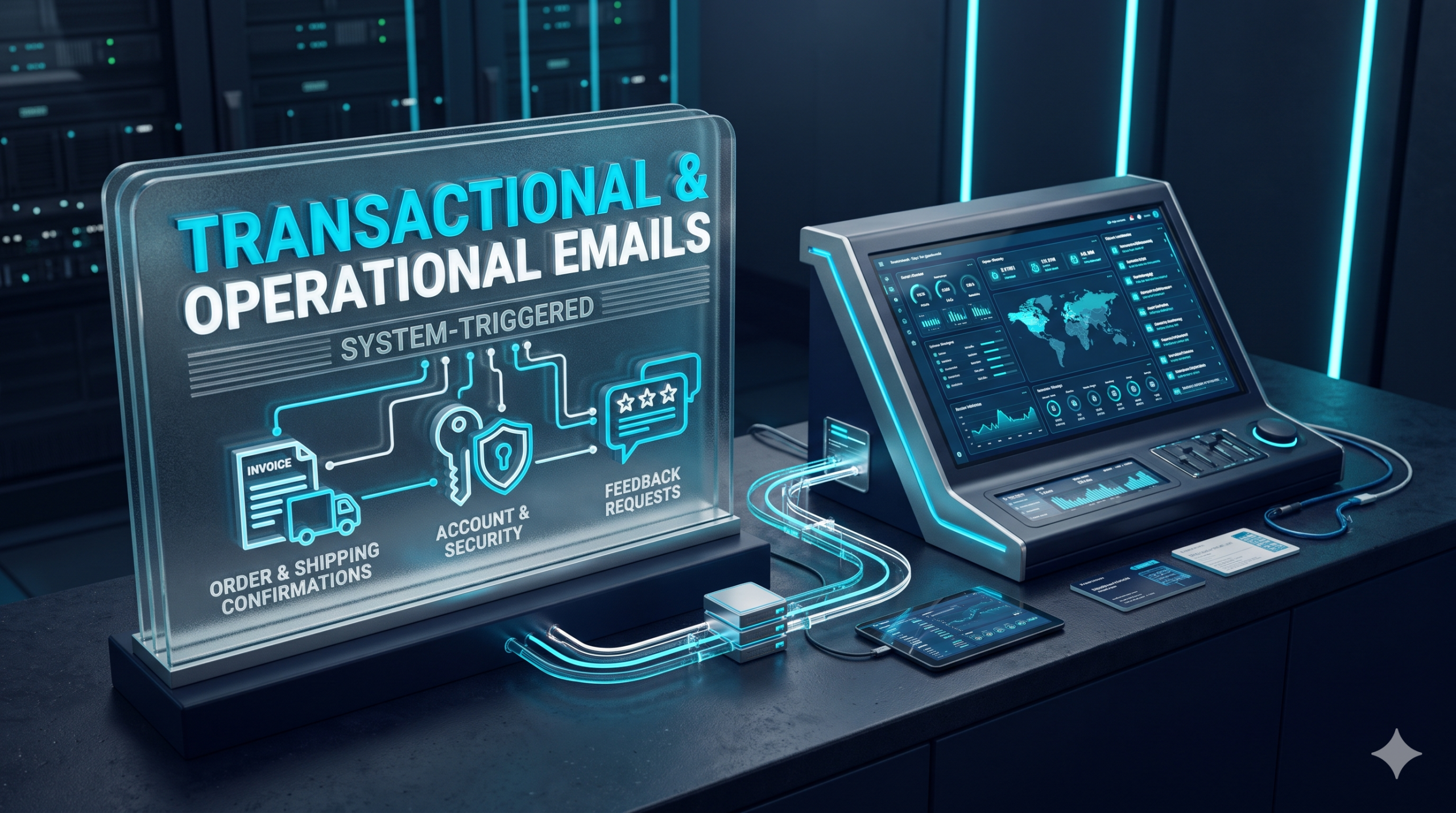
One-to-one, automated notifications triggered by specific user interactions. These carry the highest open rates.Order & Shipping Confirmations: Receipts, tracking numbers, and delivery timelines sent immediately following a transaction.Account & Security Notifications: Password resets, two-factor authentication codes, and account verification prompts.Feedback & Review Requests: Post-purchase or post-service follow-ups asking customers to rate their experience or leave a testimonial.
Multi-branch automation logic, lead scoring, and tight CRM synchronization for seamless pipeline management.

Deep purchase-behavior segmentation, dynamic product recommendations, and automated revenue-driving lifecycle flows.
End-to-end attribution reporting, unified buyer journey tracking, and advanced marketing automation.
Rapid template deployment, visual audience journey mapping, and clean broadcast dispatch.