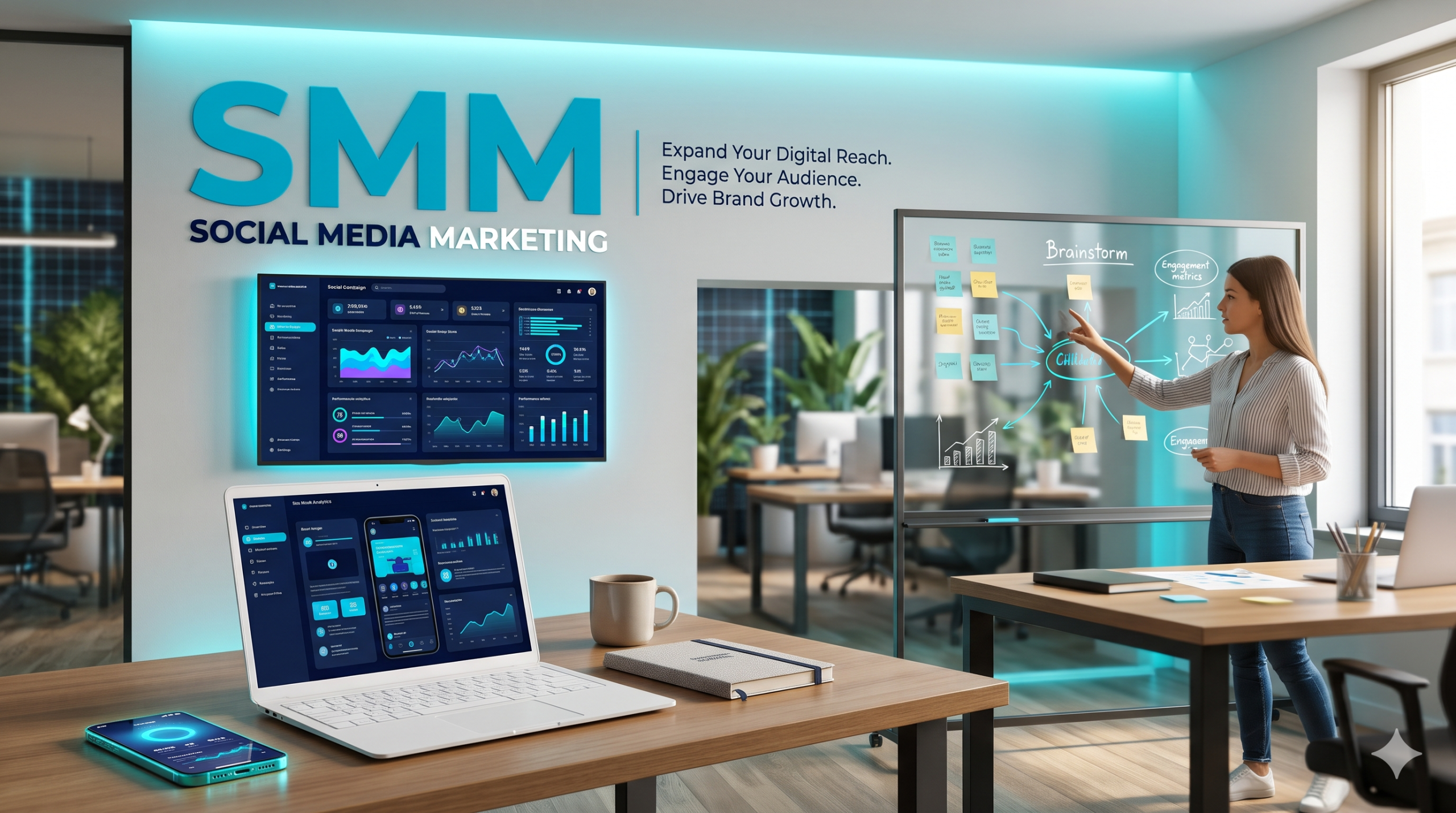
Social media marketing (SMM) accelerates business growth by transforming passive brand awareness into direct, scalable revenue and enduring customer loyalty. By maintaining an active, consistent presence across channels such as Instagram, LinkedIn, and Facebook, brands gain unmatched visibility, meeting potential buyers where they already spend their daily attention. Targeted content—ranging from educational carousels and behind-the-scenes reels to authoritative industry commentary—humanizes your business, cultivating genuine relationships and building authority far more effectively than traditional advertising. Advanced targeting tools and algorithmic discovery enable precise audience segmentation, ensuring marketing campaigns reach decision-makers based on exact demographics, behaviors, and purchase intent. This targeted reach not only drives cost-effective website traffic but also accelerates lead generation by reducing the overall customer acquisition cost. Furthermore, direct engagement via comments, direct messages, and social listening provides real-time market feedback, allowing businesses to adapt customer service, refine product offerings, and address concerns instantly. As active followers share, tag, and champion your brand, social proof creates organic compounding reach through digital word-of-mouth. .
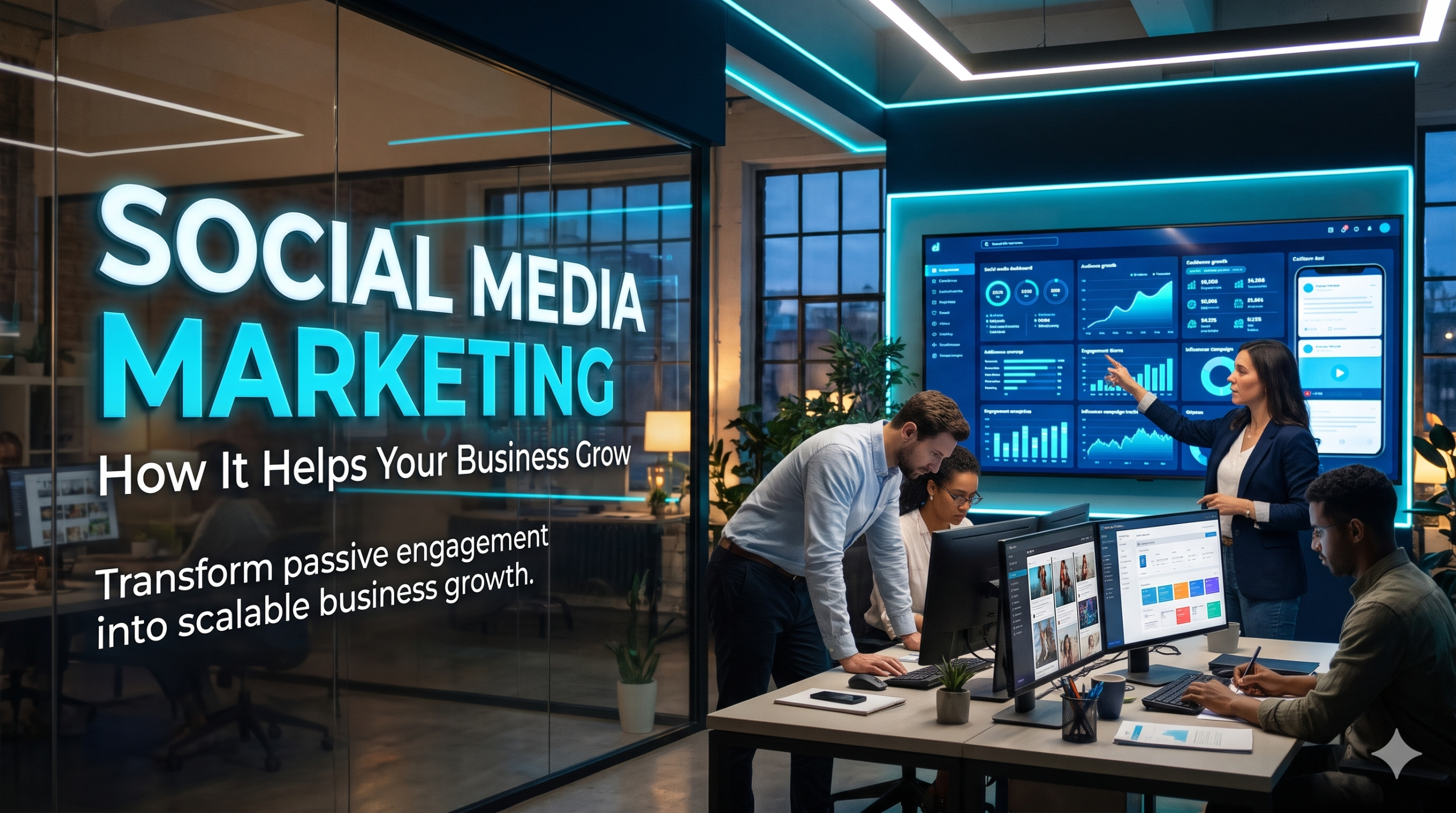



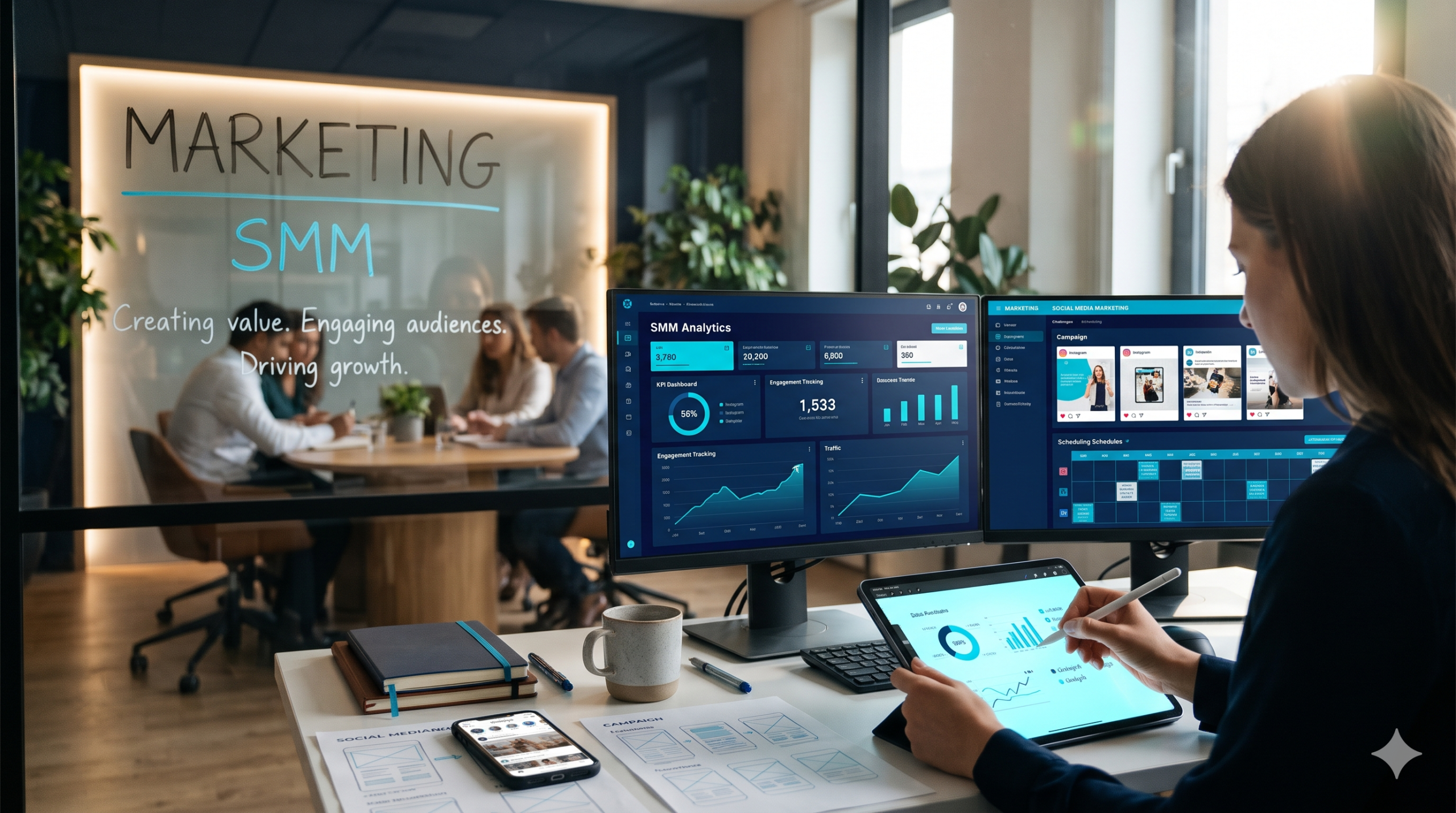
Marketing is the strategic process of identifying, anticipating, and satisfying customer needs by creating, communicating, and delivering offerings that hold genuine value for target audiences. When integrated with Social Media Marketing (SMM), marketing evolves from static, one-way promotional messaging into an interactive, real-time dialogue between brands and consumers across digital ecosystems like Instagram, LinkedIn, and Facebook. SMM operationalizes core marketing principles—market research, positioning, brand storytelling, and relationship management—by leveraging interactive content, algorithmic discovery, and behavioral targeting to reach specific demographics directly. Through strategic video assets, insightful copywriting, community discussions, and continuous two-way communication, brands build digital trust, humanize their identity, and nurture potential buyers throughout the marketing funnel. Simultaneously, social platforms serve as vast data engines where analytics tools monitor user engagement, conversion velocity, and sentiment analysis, enabling marketers to refine their campaigns with precise optimization. Ultimately, modern marketing through social media goes beyond mere customer acquisition; it cultivates loyal brand advocates, drives scalable pipeline revenue, and establishes enduring market authority by consistently delivering contextual value directly into the consumer's daily digital experience.
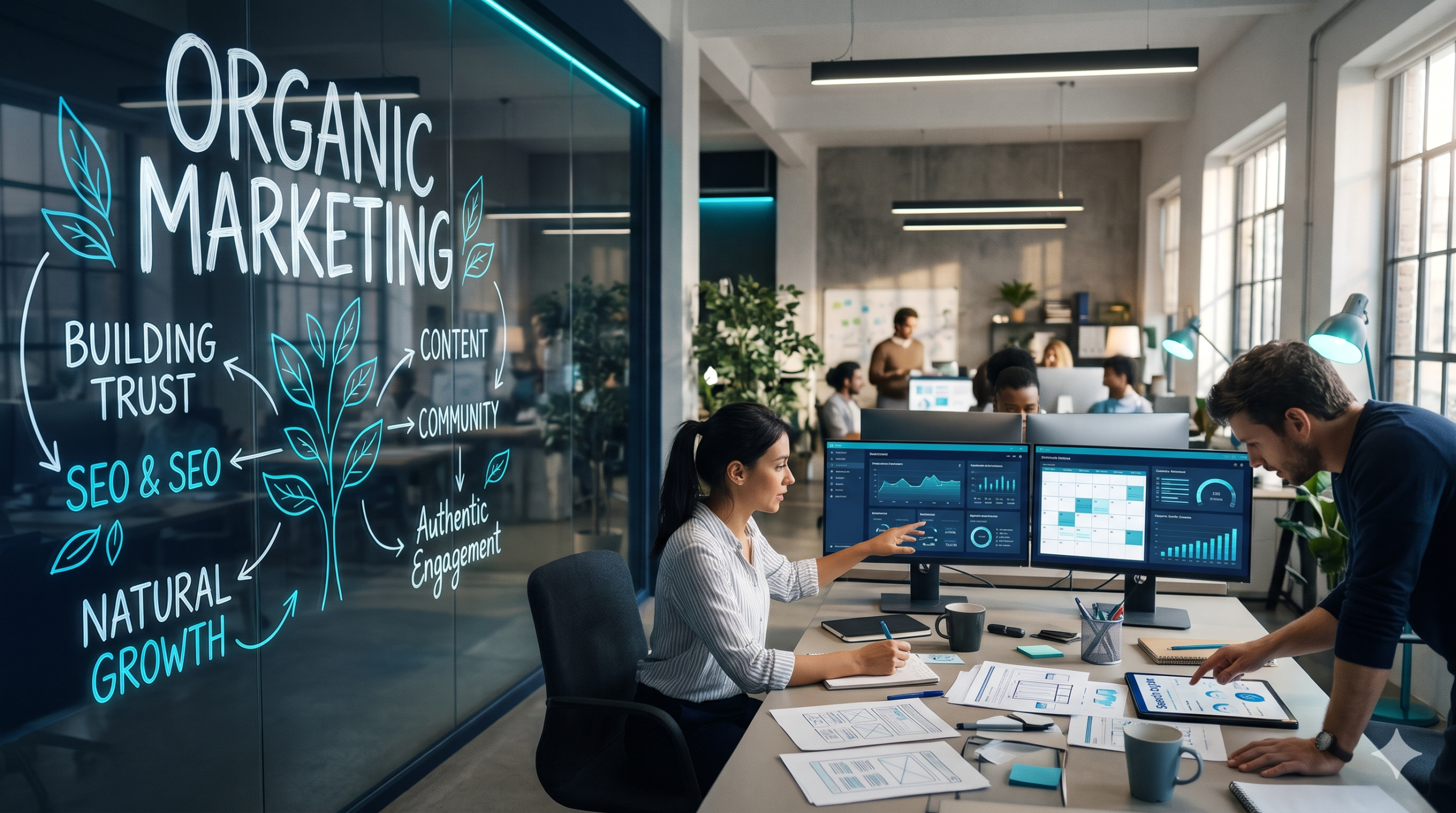
Organic marketing is a strategic, long-term methodology designed to naturally attract, engage, and retain customers without direct spend on paid advertisements. By focusing on earning audience attention rather than buying it, businesses deploy foundational mechanisms such as Search Engine Optimization (SEO), high-value content creation, active social media engagement, and conversational email newsletters. The core engine behind organic growth lies in genuine problem-solving and educational authority; brands deliver insightful articles, instructional videos, case studies, and transparent social discussions that directly resolve specific customer pain points. This authentic engagement cultivates sustainable consumer trust, fosters organic word-of-mouth advocacy, and elevates domain authority across search engines. Because traffic generated organically stems from a consumer’s own active intent and curiosity, conversion rates frequently demonstrate higher qualitative lifetime value compared to transactional, interruptive paid ad clicks. While organic marketing demands considerable patience, discipline, and consistent sweat equity—often requiring several months of compounding effort before exponential traffic curves materialize—it ultimately creates an enduring digital footprint that remains resilient against ad-fatigue and rising acquisition costs..
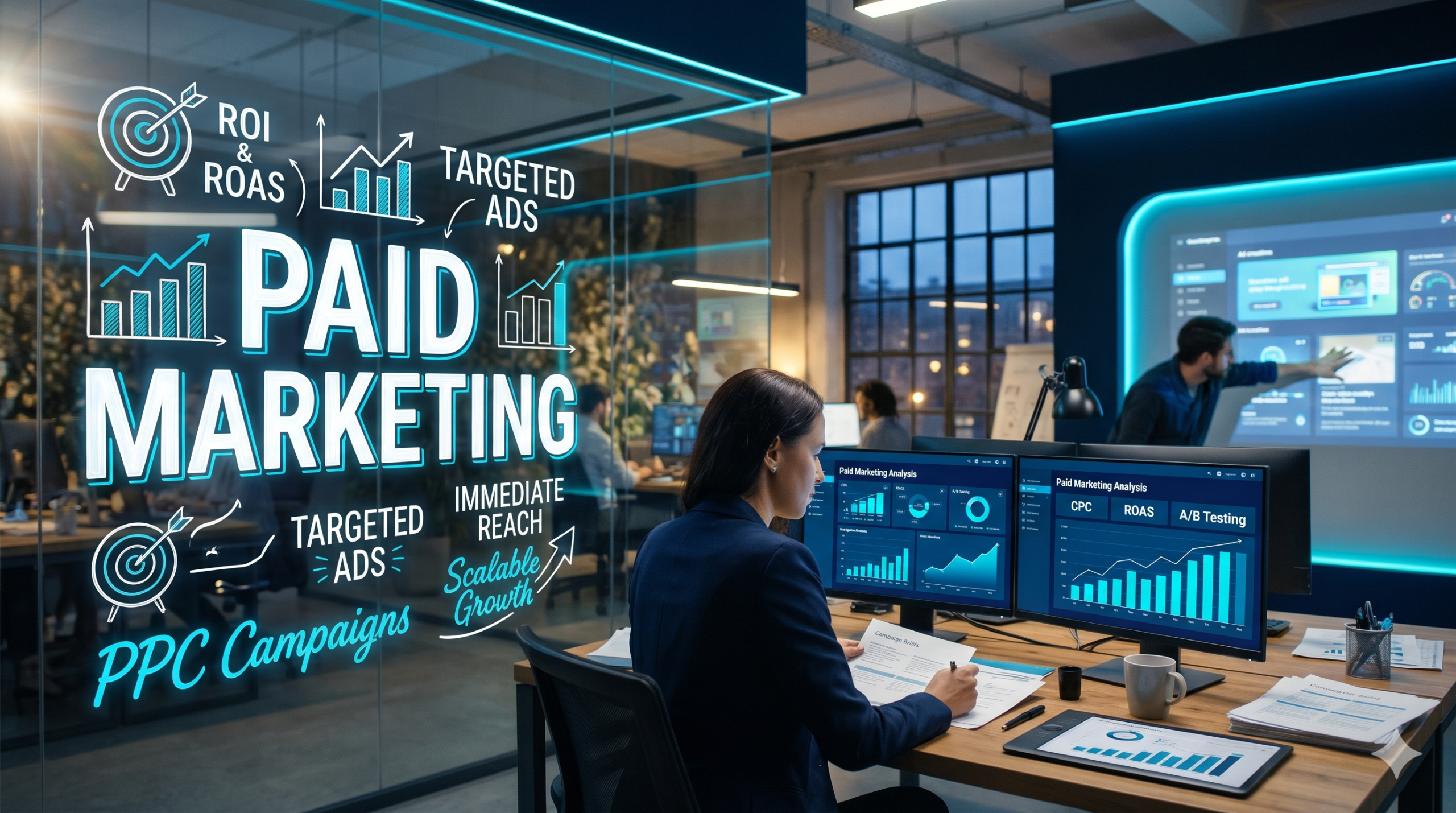
Paid marketing is an accelerated, performance-driven strategy where businesses invest capital directly into digital advertising platforms to purchase targeted visibility, traffic, and immediate market reach. Operating across major networks like Google Ads, Meta Ads, LinkedIn Campaign Manager, and programmatic display exchanges, paid marketing relies on models such as pay-per-click (PPC), cost-per-mille (CPM), and paid social sponsorships. Its chief competitive advantage lies in surgical demographic, geographic, and behavioral targeting; advertisers can isolate precise audiences based on exact search queries, buying history, seniority levels, and active intent, bypassing algorithmic uncertainty entirely. This instant placement creates predictable conversion pipelines, allowing brands to validate offers, capture ready-to-buy consumers at the bottom of the sales funnel, and re-engage interested prospects through strategic retargeting. Furthermore, paid channels provide granular, real-time analytics on key performance indicators—such as customer acquisition cost (CAC), return on ad spend (ROAS), and click-through rates (CTR)—empowering marketers to iterate ad creatives and optimize budgets dynamically..